Opening and Closing a Seasonal Residence, Step by Step
Opening and closing a seasonal home means preparing it to sit empty for months, then bringing it back to life when the season starts. Closing includes shutting off or protecting water, setting heat, removing perishables, covering furniture and securing the property. Opening reverses the process and adds a deep clean, system checks and any repairs found.
Describe the job and add your city. Free to request, no obligation.
The main risks are frozen pipes, moisture and mould, pests and small leaks that run unchecked. A home that is closed carefully usually opens more easily, and a clear checklist lets the next person pick up where the last left off.
Seasonal transitions also suit owners who move between hemispheres or between properties. A written plan for each home means no one relies on memory, and the same steps are followed every time.
What the work includes
- A written closing checklist for water, heat, power and security
- Draining or protecting plumbing, and setting heat or ventilation as suited to the climate
- Removing food, laundering linens and putting away soft goods
- Covering or storing furniture, rugs and artwork
- Deep clean on opening, including windows and floors
- Restarting water, heating, cooling, appliances and pool equipment
- Pest and moisture checks, with photos of any findings
- Scheduled visits between seasons to check the home
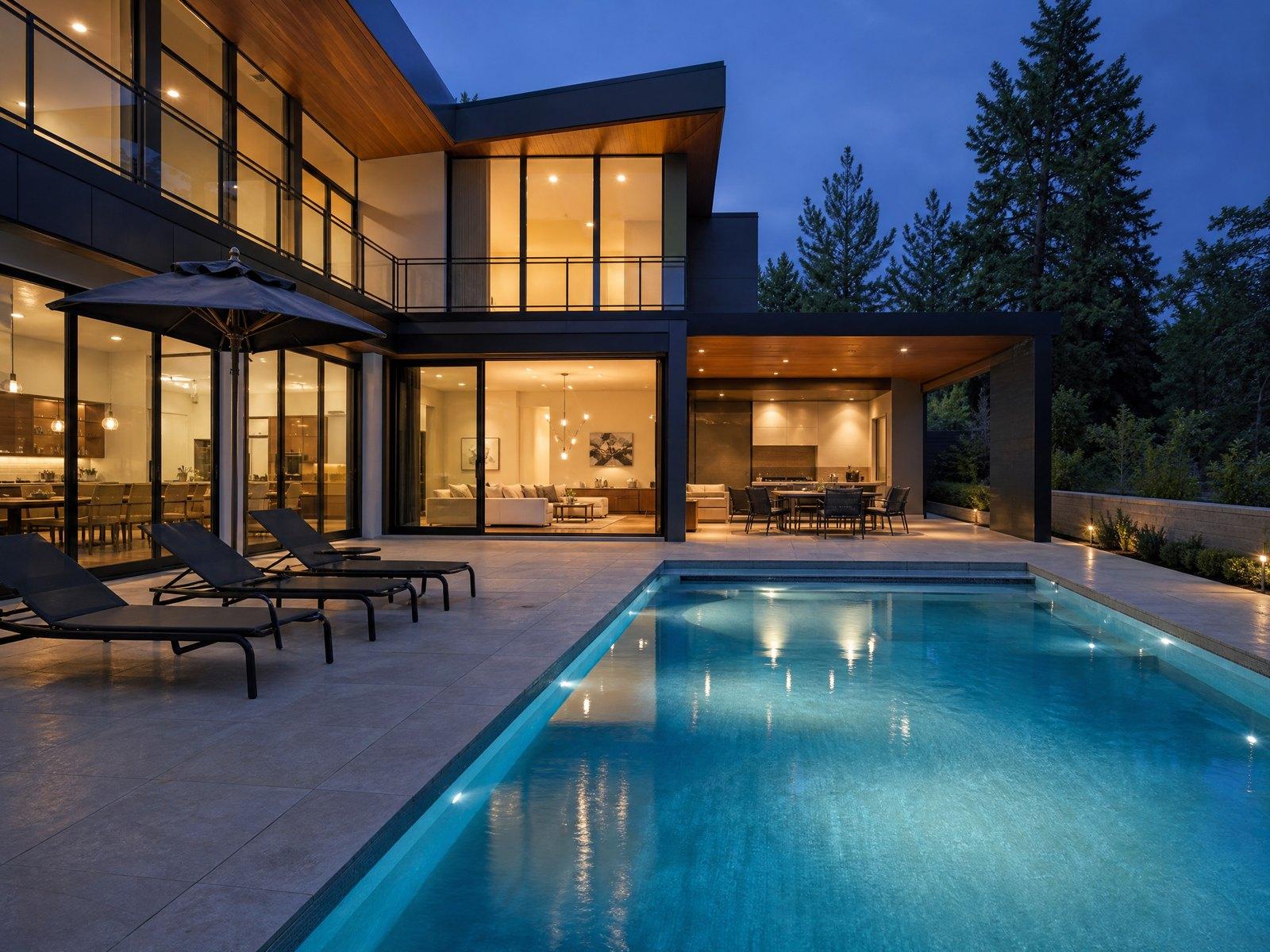
Signs the home needs a proper seasonal plan
You close the house yourself in a rush on the last day of the trip
You have had a frozen pipe, a leak or a pest problem while away
The house smells musty each time you open it
Insurance conditions for an empty home are unclear
You travel between two or more homes across the year
No one checks the property between your visits
How the work goes, step by step
Describe the property and its season
Say when you leave, when you return and what the home contains.
Draft the checklists
A closing list and an opening list are written for your home, including its systems.
Closing visit
The home is prepared for the empty months, with photos of how it was left.
Between-season checks
Visits are scheduled to look for leaks, pests and security issues.
Opening visit
The home is restarted, cleaned and checked before your arrival.
What changes the price
- Climate and risks
- A home in a freezing climate needs more protective steps than one in a mild area.
- Size and systems
- Pools, irrigation, boilers and multiple buildings all add work.
- Furniture and art protection
- Covering, storing or moving valuable items takes time and materials.
- Number of between-season checks
- Regular visits to check the home add cost but reduce the risk of surprise damage.
- Access and distance
- Remote homes and boat or ferry access add travel time.
What a good quote spells out
- A written closing and opening list for the property
- How often the home is checked while empty, and what is reported
- Who has the keys and alarm codes, and how access is logged
- What is done if a leak or break-in is found
- How insurance requirements for an unoccupied home are handled
Seasonal Residence Transition: questions people ask
What does closing a seasonal home involve?
Protecting plumbing, setting heat, removing food, laundering linens, covering furniture and securing the property. The right steps depend on your climate and the home's systems.
How often should an empty home be checked?
Many owners arrange visits every few weeks, and more often in winter in cold climates. The right interval depends on the risk.
Should the insurer be told the home is empty?
Often yes. Policies can have conditions on how long a home stays unoccupied. Check yours before you close the home.
Can the same person open and close the home each year?
That is the ideal. A written checklist and photos from each visit make it easy to keep the process consistent even if someone new takes over.
Other Keenstead services
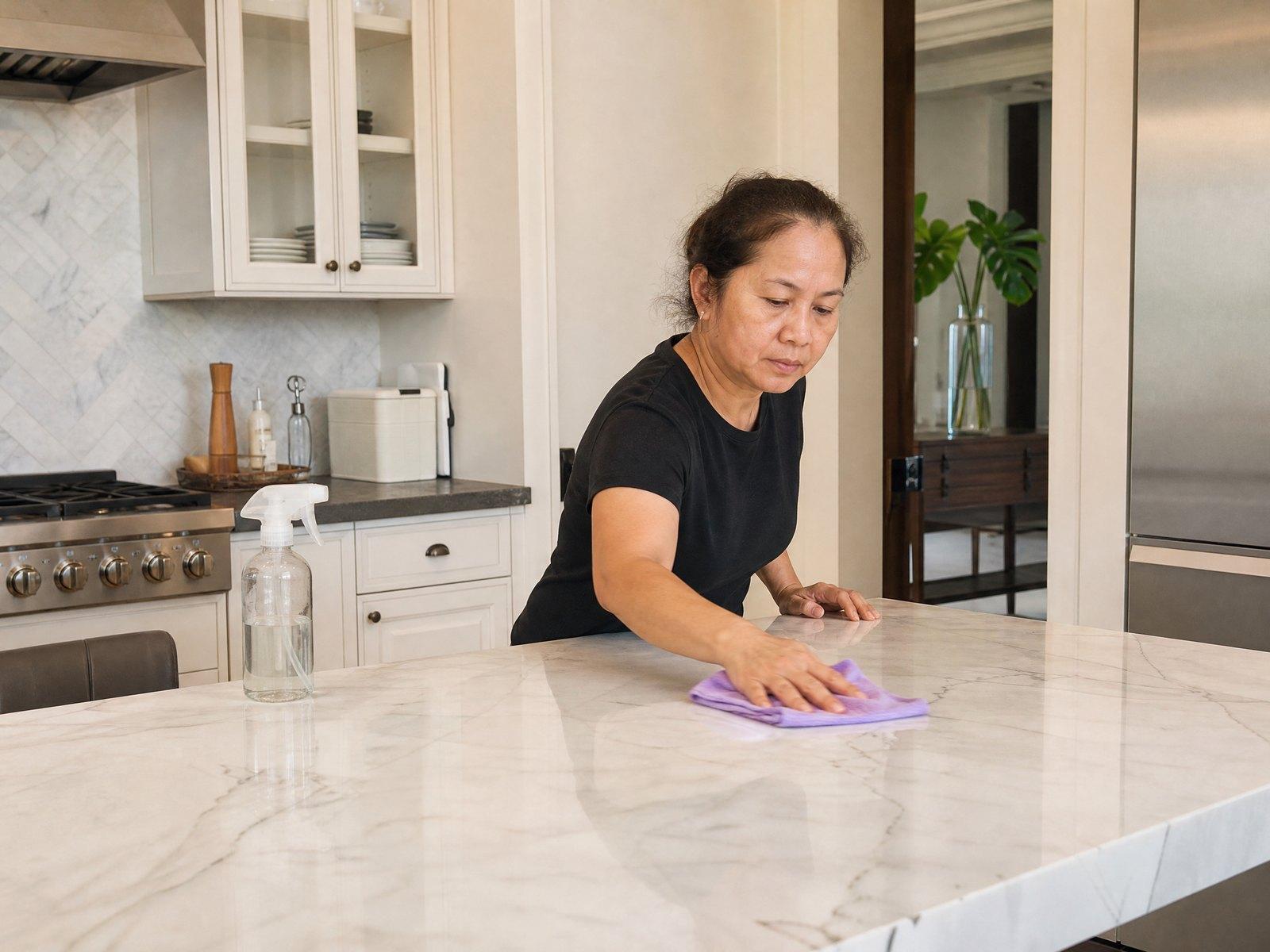
Considering Dedicated Household Help? Start With a Private Consultation.
Tell us about the residence and what you need. We review every request, and a specialist who serves your area follows up in writing to arrange a private consultation and a free quote.
Request a free quote →